



Case Study: 5MWh BESS Microgrid for Industrial Energy Resilience in Kyiv Region
Project Overview
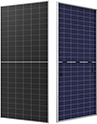
In response to the volatile energy landscape in Ukraine, a leading industrial manufacturing facility in the Kyiv region underwent a comprehensive energy transformation. The facility already operated a 2MW Rooftop Solar PV System, but faced challenges with high curtailment during the day and frequent grid instability at night.
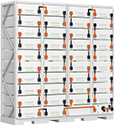
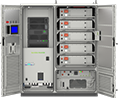
We deployed a 5MWh Containerized Battery Energy Storage System (BESS) using an AC-Coupled architecture. This microgrid solution allows the client to capture surplus solar energy during the day and achieve near-total energy independence during peak evening hours.
Technical Specifications
| Feature | Details |
| BESS Capacity | 2.5MW / 5.0MWh (Liquid-Cooled Lithium Iron Phosphate) |
| Configuration | 2 x 2.6MWh ISO 20ft Containers |
| Coupling Type | AC-Coupling (Integrated with existing 2MW PV Inverters) |
| Response Time | < 20ms (UPS-grade seamless transition) |
| Application | Time-of-Use (ToU) Shifting, Dynamic Capacity Expansion, Back-up Power |
Key Solutions & Implementation
1. Solar Self-Consumption & Energy Shifting
The primary challenge was the "2MW PV mismatch"—the facility generated 150% of its midday demand but had zero renewable supply at night. Our BESS acts as a massive "energy reservoir," storing the 2MW excess solar production between 11:00 AM and 3:00 PM. This energy is then discharged during the evening peak, reducing reliance on the high-tariff grid and ensuring 24/7 green operations.
2. Dynamic Capacity Expansion (Dynamic Ampacity)
The facility planned to add new production lines that would exceed their authorized grid connection capacity. Instead of an expensive and slow grid upgrade (which can take 12+ months in Ukraine), we implemented Dynamic Capacity Expansion. The BESS monitors the grid connection point in real-time; when demand exceeds the grid limit, the batteries discharge to "shave the peak," allowing the facility to operate high-power machinery without tripping the main breaker.
3. Advanced AC-Coupled Integration
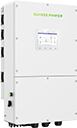
Since the client already had a functioning 2MW PV plant, AC-Coupling was the most cost-effective choice. It allowed us to install the BESS without disturbing the existing DC wiring of the solar arrays. Our Microgrid Controller synchronizes the BESS inverters with the existing PV inverters, ensuring grid-forming stability even during a total blackout.
Ukraine Market Context & Policy Alignment
This project aligns with the 2024-2026 Ukrainian Energy Strategy, which prioritizes decentralized energy assets:
Net Billing Compliance: The system is optimized for Ukraine's "Self-consumption" (Net Billing) model, allowing the facility to offset electricity costs without relying on traditional feed-in tariffs.
Licensing: Under current regulations, BESS installations under 5MW enjoy a simplified registration process in Ukraine, making this 2.5MW/5MWh setup the "sweet spot" for industrial ROI.
Grid Resilience: The system supports NPC Ukrenergo’s push for ancillary services, providing frequency containment reserves (FCR) if the client chooses to participate in the balancing market.
The Results
90% Reduction in solar energy curtailment.
Avoided $150,000+ in grid upgrade costs through Dynamic Capacity Expansion.
Continuous Operation achieved during 10+ regional grid outages.
Estimated Payback Period: 4.5 years (Based on current industrial electricity tariffs in Ukraine).