


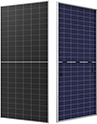
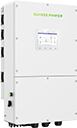
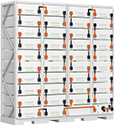
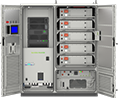
SUNESS Residential Energy Storage System (ESS): The Ultimate Smart Home Energy Solution
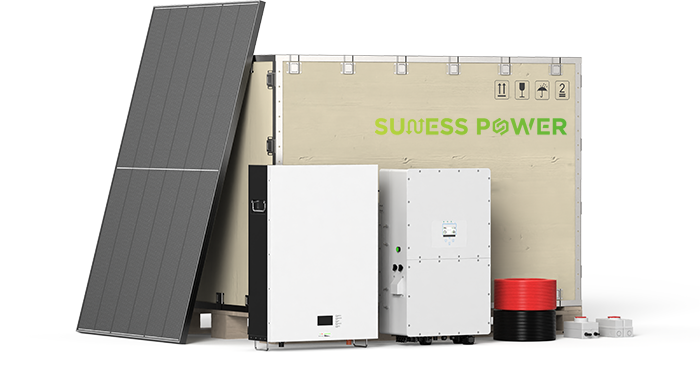
In the face of rising utility electricity rates, volatile grid stability, and the global transition toward net-zero emissions, home energy independence has evolved from a luxury to a critical necessity. The SUNESS Residential Energy Storage System (ESS) represents the next generation of clean energy technology.
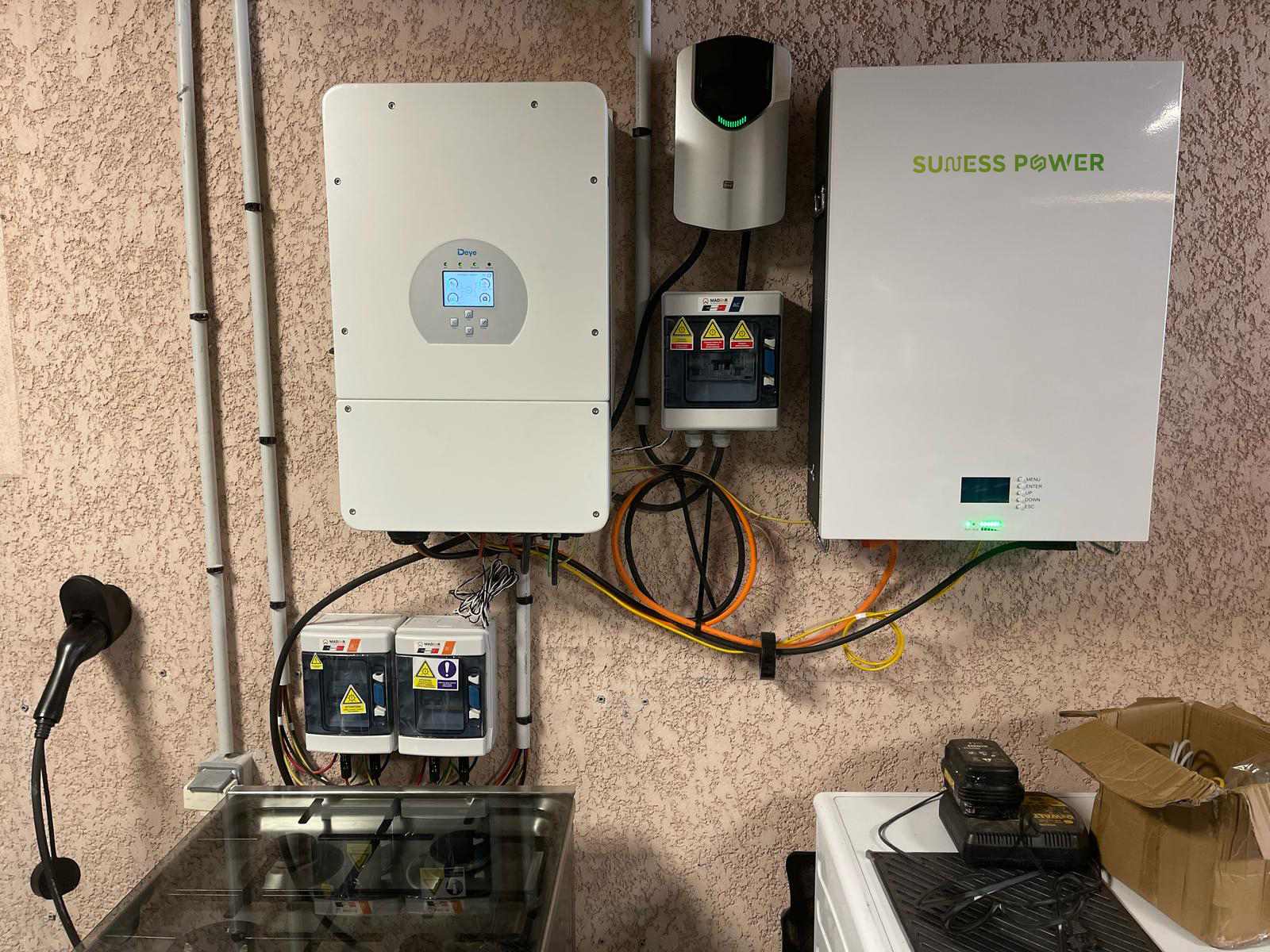
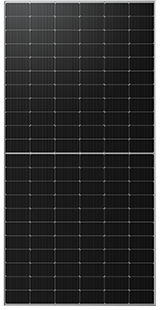
By seamlessly integrating cutting-edge hybrid inverter technology with high-density, high-performance lithium iron phosphate (LiFePO4) battery modules, SUNESS delivers a turnkey solution for modern homeowners. Whether your goal is to mitigate high Time-of-Use (TOU) tariffs, secure 24/7 blackout protection, or maximize your solar photovoltaic (PV) self-consumption, the SUNESS residential ESS provides the intelligence, reliability, and safety required to transform your house into a self-sustaining eco-friendly microgrid.
1. Core Technological Architecture: Hardware Meets Intelligence
The structural layout of the SUNESS residential ESS is engineered for high efficiency, high power density, and modular scalability, matching the dynamic electricity demands of modern households.
Advanced Hybrid Inverter Topology
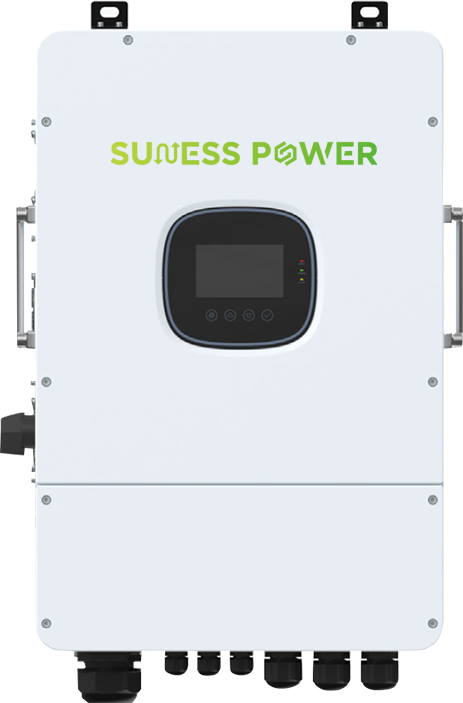
At the heart of the system is the SUNESS hybrid inverter, which acts as the centralized brain for all energy flows. Supporting both AC-coupled and DC-coupled retrofits, this bidirectional inverter manages power conversion between the solar PV arrays, the battery storage packs, the home loads, and the utility grid with an industry-leading round-trip efficiency (RTE) exceeding 97.5%.
Modular Lithium Iron Phosphate Battery Modules
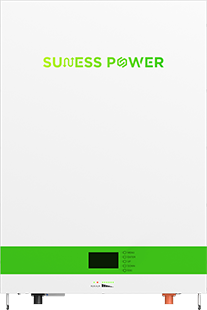
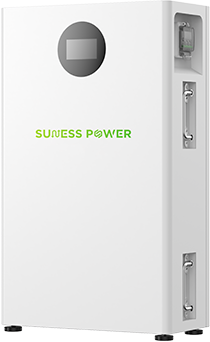
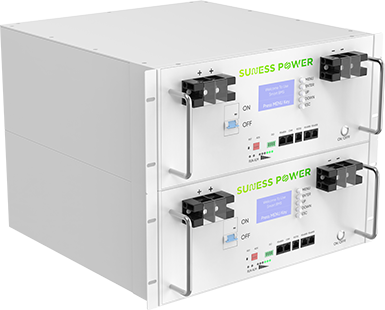
Safety and longevity dictate our hardware selection. SUNESS exclusively utilizes premium lithium iron phosphate chemistry, widely recognized for its exceptional thermal stability, zero cobalt content, and environmental friendliness.
Scalable Capacity: The modular design allows homeowners to expand capacity seamlessly from 5 kWh up to 30 kWh in a single-phase or three-phase configuration, adapting to changing household loads.Deep
Discharge Capabilities: Featuring a 100% Depth of Discharge (DoD), the system ensures you can utilize the full rated capacity of your investment without compromising the battery cells.
2. AI-Native Energy Optimization & Dynamic Management
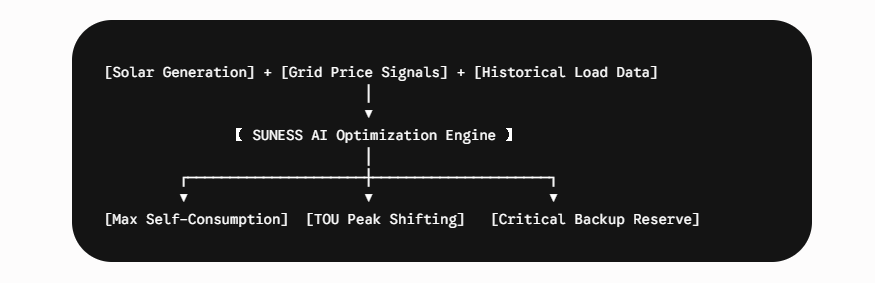
What truly sets SUNESS apart from traditional, reactive battery backups is its software-driven intelligence. Built with proprietary AI-native energy optimization algorithms, the system shifts from a passive storage tank to an active, predictive energy manager.
Predictive Load Modeling and Weather Integration
The SUNESS AI engine continuously monitors and logs historical household power consumption patterns. By combining this local data with real-time solar generation forecasts and meteorological tracking, the system accurately predicts how much solar energy will be harvested tomorrow versus how much power the home will consume.
Seamless Grid-Edge Intelligence
Instead of dumping excess solar power back into the grid for minimal feed-in tariffs, SUNESS dynamically calculates the optimal times to store, discharge, or redirect electricity, guaranteeing that not a single kilowatt-hour of green energy is wasted.
3. Maximizing Economic Returns via TOU Arbitrage
For homeowners operating under Time-of-Use (TOU) tariffs, electricity pricing fluctuates heavily throughout the day. Peak hours (typically late afternoon and evening) can feature rates up to 3x to 4x higher than off-peak hours (midnight and early morning). SUNESS turns these pricing disparities into financial gains.
Smart Peak-to-Valley Arbitrage (Peak Shifting)
The system leverages its real-time grid price signal tracking to implement automated peak shifting:
Valley Charging (Off-Peak): During periods when electricity prices drop to their lowest, or when excess solar PV generation is at its peak, the SUNESS system rapidly charges the battery modules.
Peak Discharging (On-Peak): When the utility grid enters expensive peak rate windows, the system automatically disconnects the home's heavy loads from grid power and runs them entirely off the stored battery energy.
Minimizing Demand Charges
By shaving off consumption spikes (peak shaving), SUNESS ensures homeowners stay within lower utility pricing tiers, significantly compressing the system's payback period (ROI) and maximizing long-term cumulative savings.
4. Uncompromising Safety: Automotive-Grade Smart BMS
When installing an energy storage system inside or adjacent to a residential property, safety is the absolute top priority. SUNESS incorporates multi-tiered, hardware-and-software redundant safety mechanisms to ensure total peace of mind.
Multi-Level Protection Matrix
Real-Time Monitoring
The intelligent Battery Management System (BMS) performs continuous cell-level monitoring, evaluating voltage, state of charge (SoC), state of health (SoH), and internal resistance multiple times per second.
Proactive Fault Isolation
In the rare event of an anomaly—such as over-current, over-voltage, under-voltage, or localized temperature spikes—the smart BMS acts instantly to isolate the affected battery cell cluster, preventing thermal runaway and protecting the rest of the asset.
Ruggedized Enclosure
The physical structure features an IP65-rated weatherproof enclosure, protecting the internal power electronics against dust, heavy rain, and extreme humidity, making it ideal for both indoor garage installations and outdoor perimeter placements.
5. Grid Resilience & UPS-Class Emergency Backup
Climate-driven extreme weather events, aging grid infrastructure, and rolling blackouts threaten daily comfort and home security. SUNESS provides an impenetrable layer of residential energy resilience.
True Uninterruptible Power Supply (UPS) Functionality
When a grid outage occurs, the SUNESS hybrid inverter detects the voltage drop instantly. Utilizing an integrated automatic transfer switch (ATS), the system transitions from grid-tied mode to standalone off-grid backup mode in less than 10 milliseconds. This transition is so rapid that sensitive home electronics—such as desktop computers, medical equipment, Wi-Fi routers, and home automation servers—will experience zero interruption or reboot cycles.
6. Sustainable Living & Carbon Footprint Reduction
Beyond the clear financial ROI and emergency resilience, the SUNESS Residential ESS serves as a powerful catalyst for a sustainable, low-carbon lifestyle.
Maximizing Solar Self-Consumption
Standard residential solar arrays without battery storage typically waste or export up to 60% of their generated electricity because generation peaks at midday when household occupancy and demand are at their lowest. By capturing this midday solar peak and releasing it during evening hours, SUNESS boosts your localized solar self-consumption rate from roughly 40% to over 90%.
Accelerating the Net-Zero Transition
By shifting away from fossil-fuel-heavy peak grid power and substituting it with stored, decentralized green energy, a single home equipped with a SUNESS ESS can displace tons of carbon dioxide emissions annually, actively supporting global decarbonization goals and building a cleaner future for generations to come.
Technical Specifications Overview
Battery Chemistry: Lithium Iron Phosphate (LiFePO4)
Nominal Storage Capacity: 5.12 kWh to 30.72 kWh (Modular & Expandable)
Inverter Rated Power output: 5 kW / 8 kW / 10 kW / 12 kW (Single & Three Phase options)
Enclosure Protection Rating: IP65 / NEMA 4X
Switchover Time to Backup Mode: Less than 10 ms (UPS-class)
Cycle Life: Greater than 6,000 cycles at 80% SoH
Communication Protocols: CAN, RS485, Wi-Fi, Ethernet, 4G Cellular