



2MW Floating Solar Power Plant in Venezuela-A High-Efficiency Renewable Energy Project by SUNESS POWER
Project Overview
To address Venezuela’s persistent power shortages and unstable grid conditions, SUNESS POWER successfully delivered a 2MW floating solar power plant (FPV) deployed on a local reservoir. The project provides a reliable and cost-effective energy solution for industrial and community applications.
Project Location: Venezuela
Installed Capacity: 2 MWp
System Type: Floating Solar (FPV) + Hybrid Integration
Application: Industrial self-consumption & backup power
Annual Energy Output: ~3,200–3,600 MWh
CO₂ Reduction: ~2,800 tons/year
Project Developer & Supplier: SUNESS POWER
Energy Context in Venezuela
Venezuela’s energy system faces several structural challenges:
-Over 70% reliance on hydropower, vulnerable to droughts
-Frequent nationwide blackouts and grid instability
-Limited renewable policy incentives and financing channels
In this context, self-generation solar projects—especially floating PV—are becoming one of the most practical and scalable solutions.
Why Floating Solar (FPV)?
Compared to traditional ground-mounted PV systems, floating solar offers measurable performance advantages:
Higher Energy Yield
-Water cooling effect reduces module temperature
-Efficiency gain: +5% to +12% vs. ground-mounted systems
Land Cost Savings
-No need for land acquisition
-Ideal for reservoirs, mining ponds, and industrial water bodies
Reduced Evaporation
-FPV systems can reduce water evaporation by 20%–30%, valuable in hot climates
Technical Configuration
This 2MW floating solar plant is engineered with high-performance components supplied by SUNESS POWER:
1. PV Module System
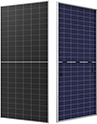
-High-efficiency mono-crystalline modules
-Total installed capacity: 2,000 kWp
-Expected degradation: <0.5% annually
2. Floating Structure
-HDPE-based floating platform
-Corrosion-resistant and UV-stabilized
-Designed lifespan: 25+ years
3. Inverter System
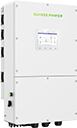
-String inverter configuration
-Conversion efficiency: ≥98.5%
-Smart MPPT tracking for optimized generation
4. Hybrid Integration Capability
-Compatible with diesel generators
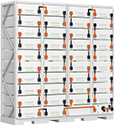
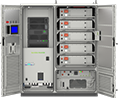
-Optional integration with battery energy storage systems (ESS)
-Supports peak shaving and backup supply
5. Monitoring & EMS
-Real-time remote monitoring system
-AI-based energy management optimization
-Fault detection & predictive maintenance
Performance & Financial Benefits
Understanding local regulations is essential:
Self-Consumption Dominant Model
Due to the lack of:
Net metering
Feed-in tariffs
Most solar projects are designed for autoconsumo (self-generation).
Capacity Approval
Projects around or above 2MW typically require authorization from the Ministry of Electric Energy.
Grid Limitations
The national grid is centrally controlled, limiting private energy export opportunities.
Implication:
This project is optimized for independent operation and hybrid energy supply, ensuring maximum return without relying on policy incentives.
Key Project Advantages
1. Energy Independence
Provides stable electricity supply in regions with unreliable grids.
2. Lower Operating Costs
Significantly reduces dependence on diesel generators and fluctuating fuel prices.
3. Scalable Design
Modular FPV system allows future expansion up to 5MW+.
4. Environmental Impact
CO₂ reduction: ~2,800 tons/year
Supports corporate ESG and sustainability goals
Challenges & SUNESS POWER Solutions
Challenge: Weak Infrastructure
Solution: Fully integrated off-grid/hybrid system design
Challenge: Lack of Policy Incentives
Solution: Focus on high self-consumption ratio (>80%)
Challenge: Harsh Environmental Conditions
Solution: Marine-grade floating structures + smart O&M
Future Outlook
With abundant solar resources and increasing demand for reliable electricity, Venezuela presents strong opportunities for:
Floating solar expansion in hydropower reservoirs
Hybrid systems (Solar + Diesel + ESS)
Industrial and mining energy applications
Companies like SUNESS POWER are well-positioned to lead this transition with bankable and scalable solutions.