



Case Study: Battery Energy Storage System (BESS) Project in Bulgaria
Client Overview
Location: Bulgaria, Eastern Europe
Industry: Renewable Energy
Project Type: Microgrid with Solar and Battery Storage
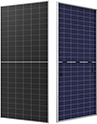
Existing Capacity: 2MW Photovoltaic (PV) System
Required Capacity: 2.5MW Battery Energy Storage System (BESS) with 5MWh storage capacity
Project Background
The client operates a 2MW photovoltaic (solar) system in Bulgaria, with a significant need for storing excess solar energy generated during the day for use during the night. In response to this requirement, the client is integrating a Battery Energy Storage System (BESS) with a 2.5MW-5MWh capacity to optimize energy consumption, increase system reliability, and reduce dependence on grid power during off-peak hours. The project aims to achieve AC coupling between the PV system and the storage solution.
Objective of the Project
Storage Optimization: To store excess solar energy produced during the day and discharge it during the evening or at times of high electricity demand.
Dynamic Load Growth: To ensure that the BESS can scale as demand increases, allowing the client to add more storage in the future.
Seamless Integration: The system should be integrated using AC coupling to facilitate smoother and more efficient energy transfer between the PV panels and the energy storage system.
Solution Design
1. AC Coupling and Storage Architecture
The solution involves AC coupling, which integrates the PV system and BESS on the AC side. This allows the photovoltaic system to feed power into the grid while simultaneously charging the energy storage system.
PV System Capacity: 2MW
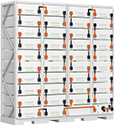
Battery Storage Capacity: 2.5MW 690VAC 3L+N+PE/ 5MWh / DC Voltage 1331.2V
BESS Type: Lithium-Ion battery (preferred for its high energy density and long cycle life)
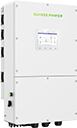
Inverter: Centralized and hybrid inverters to manage both the solar energy input and battery discharge
Dynamic Expansion: The system design allows for easy scalability. Additional battery units can be added without disrupting the existing infrastructure, allowing the client to scale from 2.5MW to higher capacities as needed
2. Energy Flow Management
During the day, the PV system generates surplus energy, which is stored in the BESS.
The BESS discharges stored energy during peak demand periods or at night when the solar energy is unavailable.
The battery system is charged and discharged according to predefined schedules, with advanced control systems ensuring optimal energy management.
3. Advanced Energy Management and Optimization
A smart energy management system (EMS) is used to optimize the use of the stored energy. The EMS:
Uses predictive algorithms to forecast energy generation and consumption, allowing the system to prioritize energy storage when solar power is abundant.
Optimizes charging/discharging cycles to maintain battery health and efficiency.
Project Timeline
Initial Setup: 3-4 months to deploy the BESS and integrate with the existing 2MW PV system.
Commissioning: 1 month of testing, training, and optimization for seamless operation.
Benefits of the BESS Solution
Increased Energy Independence: The client can rely on stored solar energy during the night or during peak demand periods, reducing grid dependence and operational costs.
Cost Savings: By storing excess solar energy, the client can avoid purchasing electricity during peak hours, which is typically more expensive.
Grid Stability: The addition of the energy storage system stabilizes the local grid by managing energy flow more efficiently.
Future Scalability: With the system’s dynamic expansion capabilities, the BESS can be upgraded as energy needs grow, making it a future-proof investment.
Carbon Footprint Reduction: The project contributes to Bulgaria’s commitment to renewable energy, reducing reliance on fossil fuels and decreasing CO2 emissions.
Integration with Ukrainian Energy Policy
Although this project is located in Bulgaria, it is crucial to note that Ukraine’s renewable energy policies provide a similar context for energy storage systems in Eastern Europe. The following aspects are relevant:
Ukraine’s Renewable Energy Goals: The Ukrainian government aims to increase the share of renewable energy in the national grid, with ambitious targets set for wind and solar power.
Energy Storage Policy: Ukraine has begun integrating energy storage systems into its energy policy framework, as energy storage plays a key role in managing grid stability, especially with intermittent renewable energy sources like wind and solar.
Financial Incentives: Both Bulgaria and Ukraine have access to European Union (EU) renewable energy subsidies, which can offset some of the initial costs of installing energy storage systems.
Grid Modernization: Ukraine’s ongoing efforts to modernize the electricity grid and incorporate more decentralized energy sources make energy storage a critical component of national infrastructure development.
Conclusion
This BESS project in Bulgaria demonstrates the transformative potential of integrating energy storage with renewable energy sources. By implementing a dynamic, scalable storage solution, the client can ensure energy availability during periods of high demand and make efficient use of excess solar energy. The project also contributes to Bulgaria's sustainability goals and can serve as a model for similar energy storage projects across Eastern Europe, especially as policies in Ukraine evolve to support the growth of renewable energy infrastructure.