



Project Case Study: Microgrid Energy Storage Solutions for Automotive Parts Manufacturing Plant in Germany
Project Overview
This case study focuses on a large-scale energy storage solution for an automotive parts manufacturing plant located in Germany. The client required four sets of containerized energy storage systems with a capacity of 1MW and 2MWh each, to manage their energy usage, reduce peak demand, and optimize energy costs. The plant already operates a grid-connected system with a 13.8kV grid voltage, and the client’s goal is to use energy storage to smooth out daily fluctuations in energy consumption through peak shaving and load leveling.
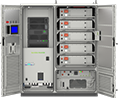
Given the client's energy needs, we offered our advanced air-cooled and liquid-cooled containerized energy storage systems, which were customized to integrate seamlessly with their existing grid connection and offer high performance in terms of efficiency, scalability, and reliability. The installation of the systems was designed to reduce overall energy costs while ensuring that the plant could maintain consistent operations without grid instability.
Client Requirements
The client’s requirements were clearly defined and focused on optimizing the energy consumption profile of the automotive parts manufacturing facility:
Peak Shaving and Load Leveling: The client wanted to manage their electricity consumption by reducing peak demand (peak shaving) during times of high electricity consumption. This would allow them to shift energy usage to off-peak times, reducing costs associated with grid power during high-demand periods.
Grid-Connected System: The plant is already connected to the grid with a voltage level of 13.8kV. The energy storage system needed to operate seamlessly within this grid environment and assist in maintaining the overall stability of the plant’s power system.
Energy Storage Capacity: The client required four energy storage units, each with a capacity of 1MW and 2MWh, to provide enough storage for peak shaving throughout the day, helping to offset high energy costs during periods of high demand.
Temperature Control and Cooling: Since energy storage systems generate heat, the client was interested in a solution that would efficiently manage temperature within the storage containers, ensuring optimal performance and longevity. Given the client’s specific needs, both air-cooled and liquid-cooled container options were considered to find the best balance between efficiency and cost.
Sustainability and Efficiency: The client’s commitment to sustainable manufacturing processes required an energy storage solution that was highly efficient and aligned with Germany’s focus on reducing carbon emissions and energy dependence on fossil fuels.
System Configuration and Design
1. Energy Storage Systems: Air-Cooled and Liquid-Cooled Containers
We offered two types of containerized energy storage systems: air-cooled and liquid-cooled. Both systems were selected based on the client’s operational environment, energy requirements, and temperature control preferences.
Air-Cooled Containers: These units were designed for environments where temperature control is less demanding or when there is adequate ventilation. Air-cooled containers are more cost-effective and simpler to maintain, which makes them ideal for certain industrial settings where ambient temperatures are more consistent.
Liquid-Cooled Containers: These units are designed for environments with stricter temperature control requirements, offering more efficient cooling and greater operational longevity. They are more suitable for energy storage systems that need to operate at maximum performance during hot weather or when there are high frequency charging/discharging cycles.
For this project, we deployed a combination of both systems to provide flexibility and meet the client’s operational conditions. The air-cooled containers were used in areas with more consistent temperatures, while the liquid-cooled units were deployed in areas where higher cooling efficiency was required to maintain performance under heavy loads.
2. Peak Shaving and Load Leveling Functionality
The primary role of the energy storage system was to support peak shaving and load leveling. The system was configured to automatically store excess energy during off-peak hours when electricity costs are lower. During peak hours, when the plant’s energy demand increases, the system discharges the stored energy to help meet demand and reduce reliance on grid power.
This process helps to flatten the facility’s energy consumption curve, ensuring that energy demand remains more consistent and reducing spikes in electricity usage, which would otherwise result in high energy costs due to higher electricity prices during peak times.
3. Integration with Grid System (13.8kV)
The energy storage system was designed to integrate seamlessly with the client’s existing 13.8kV grid connection. The systems were configured to synchronize with the grid and provide real-time energy management.
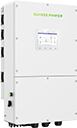
The systems’ inverters were designed to match the grid frequency and voltage, ensuring smooth bi-directional flow of electricity between the plant’s energy storage units and the grid. During periods of low demand, the system stores energy from the grid or onsite renewable sources (if available), while during peak demand, the stored energy is released back into the grid or used within the plant.
4. Advanced Energy Management System (EMS)
The project also incorporated a smart Energy Management System (EMS) to monitor and control the operation of the energy storage units. The EMS uses advanced algorithms to predict energy demand patterns, optimize charging and discharging cycles, and determine when to draw power from the grid versus when to discharge stored energy. This system enables real-time optimization to ensure maximum cost savings, efficiency, and stability.
5. Monitoring and Maintenance
To ensure the long-term reliability of the energy storage system, the solution incorporated remote monitoring and diagnostics capabilities. This allows the client to access real-time data on system performance, track energy savings, and schedule preventative maintenance before any issues occur. This feature helps reduce downtime and extends the lifespan of the entire system.
Benefits of the Energy Storage Solution
Cost Savings: The primary benefit of this system is the ability to significantly reduce energy costs through peak shaving. By reducing reliance on grid power during peak hours, the client can save on electricity bills, which is particularly important in industrial settings where energy consumption is high.
Improved Grid Stability: By using energy storage to stabilize energy demand, the system contributes to better grid stability. This not only benefits the plant but also helps reduce the overall strain on the local electricity grid.
Sustainability: With Germany's aggressive push toward renewable energy, energy storage systems like this one play an essential role in achieving sustainability goals. By reducing the need for grid power, the system also helps to reduce the carbon footprint of the manufacturing plant.
High Reliability and Flexibility: The combination of air-cooled and liquid-cooled systems provides both flexibility and resilience. The client has the option to scale the system or adjust the cooling solutions as needed to meet future energy requirements.
Seamless Operation: The integration with the client’s existing infrastructure and grid connection ensures seamless operation. The EMS continuously optimizes charging and discharging cycles to maximize savings and ensure that the plant’s energy requirements are always met.
Local Energy Policies in Germany
Germany has been a leader in renewable energy and energy storage solutions, with extensive policies designed to promote the use of green technologies. The Energiewende, Germany’s energy transition policy, supports the shift towards renewable energy, energy efficiency, and storage technologies to reduce carbon emissions. The Renewable Energy Sources Act (EEG) offers incentives for industries to adopt renewable energy solutions, and the Energy Storage Act (ESG) promotes the integration of energy storage systems to ensure the stability and reliability of the national grid.
Energy storage systems play a vital role in Germany’s strategy to reduce dependence on fossil fuels and integrate intermittent renewable energy sources (such as solar and wind) into the grid. The client’s project aligns perfectly with these national goals, contributing to energy security and sustainability.
Conclusion
This energy storage solution provides the automotive parts manufacturing plant with a scalable, cost-effective, and reliable way to manage energy demand, optimize electricity costs, and improve grid stability. By combining advanced air-cooled and liquid-cooled containerized energy storage systems, the client can smoothly transition between peak shaving and load leveling, ensuring efficient use of energy while contributing to Germany’s energy transition goals.
With the flexibility to scale, remote monitoring capabilities, and seamless integration into the existing grid infrastructure, this energy storage system is a comprehensive solution for industries looking to optimize their energy use, reduce costs, and meet sustainability targets.