



Project Case Study: Microgrid Energy Storage Solutions for Entertainment Venues in Ukraine
Project Overview
This project involves the design and implementation of a microgrid energy storage system for two entertainment venues in Ukraine. The client requested two sets of containerized energy storage systems with a capacity of 500kW and 1044kWh each. The energy storage systems, model SE500KW-1044KWH, were perfectly matched to the client’s requirements. These systems were deployed in two separate locations to support the energy needs of both venues. The main objective of the project was to ensure the efficient integration of solar energy, battery storage, and grid power with a reliable backup diesel generator. The system was designed with advanced capabilities for seamless integration into both grid-connected and off-grid modes, ensuring uninterrupted power supply.
Client Requirements
The client operates two entertainment venues in Ukraine that are currently equipped with 170kW Huawei grid-tied solar systems at both locations. The client’s energy needs for the entertainment venues are substantial, given the high energy demand for lighting, sound, and other operations. The requirements for this energy storage solution included:
Primary Solar Energy Utilization: During the day, the system should prioritize the use of solar energy. Any excess solar power generated would be stored in the batteries for use during the night.
Battery Storage for Nighttime Use: The energy storage system should provide sufficient capacity to supply power during the night or whenever solar energy is not available.
Grid Power as Backup: In the event that battery power is insufficient, the system should seamlessly switch to the grid for supplementary power.
Diesel Generator Backup: Diesel generators should be available as a backup power source in case of both grid failure and battery depletion.
Advanced ATS (Automatic Transfer Switch): The system should include an ATS to enable seamless switching between grid and diesel backup power.
STS (Static Transfer Switch) for Off-Grid Operation: The system needs to be capable of switching seamlessly between grid-connected and off-grid modes with a switching time of less than 10 milliseconds. In off-grid mode, the system should function as a microgrid.
System Configuration and Design
Energy Storage System
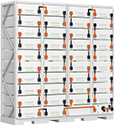
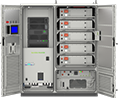
The client’s requirements for two energy storage systems with a capacity of 500kW and 1044kWh each were met with the SE500KW-1044KWH containerized storage solutions. These units were designed to provide a reliable source of energy storage while ensuring the energy management system remains efficient and cost-effective. The system was designed to store excess solar energy during the day and discharge stored energy during nighttime or during periods of high energy demand.
Solar Power Integration
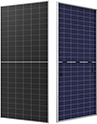
Both entertainment venues already have 170kW Huawei grid-connected solar systems installed. The integration of solar power with the energy storage system is the core of the client’s energy strategy. Solar panels capture sunlight during the day, and the excess power generated is directed to charge the batteries, ensuring energy availability at night when solar generation is not possible.
Advanced Power Control System (PCS) with VSG
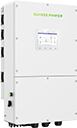
The Power Control System (PCS) features Voltage Source Grid (VSG) functionality, which is essential for the stability of the microgrid in off-grid mode. The PCS ensures that the system can maintain voltage regulation, even when operating independently from the grid. This capability provides additional security and reliability to the system by ensuring the voltage is consistent and stable during transitions between grid-connected and off-grid modes.
Automatic Transfer Switch (ATS)
An ATS was installed to manage power transitions between the grid and the diesel generator backup. The ATS ensures that the system automatically detects any grid failures and switches to the backup diesel generator, ensuring that there is no interruption in power supply. The ATS also manages the seamless switching back to the grid once it becomes stable, ensuring a continuous, reliable power source for the venues.
Static Transfer Switch (STS)
The STS is one of the standout features of this system. It is designed to switch between grid-connected and off-grid modes in under 10 milliseconds, ensuring that there is no disruption to the power supply. The STS is crucial for creating a resilient microgrid that can adapt quickly to changing energy conditions, such as grid outages or fluctuations. When grid instability occurs, the system can immediately switch to off-grid mode, powered by stored solar energy or the diesel generator, ensuring uninterrupted service for the entertainment venues.
Microgrid Functionality
In off-grid mode, the system operates as a microgrid, entirely independent of the main utility grid. This is achieved through the use of the VSG functionality in the PCS and the STS for seamless switching. The combination of energy storage, solar power, and the backup diesel generator ensures that the system can maintain full operational capacity, even in the absence of a stable grid connection.
Benefits of the Microgrid Solution
Enhanced Energy Efficiency: The system prioritizes solar power usage during the day, storing excess energy for use when solar generation is unavailable, minimizing reliance on grid power.
Cost Savings: By relying on solar energy and reducing grid consumption, the system helps the client reduce energy costs over the long term. The ability to store solar power and use it during non-peak hours ensures that the client avoids high electricity prices from the grid.
Resilience and Reliability: The advanced ATS and STS technologies provide seamless transitions between different power sources, ensuring a reliable and uninterrupted power supply. In case of grid failure, the system automatically switches to off-grid mode or uses the backup diesel generator.
Scalability and Flexibility: The modular nature of the energy storage system allows for future expansion or upgrades. As the client’s energy needs evolve, the system can be scaled up to accommodate additional capacity or integrate with more advanced energy technologies.
Local Energy Policies in Ukraine
Ukraine’s energy policy has been progressively leaning toward sustainability, with increased investments in renewable energy sources such as solar power. The government has also introduced various incentives for renewable energy projects, including tax benefits, subsidies, and grants for the adoption of energy storage solutions. The integration of energy storage systems into commercial and industrial applications aligns with Ukraine’s long-term goals of reducing dependency on traditional fossil fuels and enhancing energy security.
Conclusion
This project represents a perfect example of how modern energy storage systems can transform the energy landscape for businesses in Ukraine. By integrating solar energy, energy storage, and advanced switching technology, the client can ensure a stable and reliable power supply, reduce energy costs, and improve resilience in the face of grid instability. The combination of cutting-edge technologies such as the VSG function, ATS, and STS, along with the SE500KW-1044KWH containerized energy storage system, offers a comprehensive and scalable solution that meets the client’s energy needs while aligning with local energy policies.
This case study highlights the potential of microgrid solutions in addressing the energy challenges faced by businesses in Ukraine and across other regions looking to reduce their carbon footprint, increase energy independence, and improve energy resilience.