



In modern industrial facilities, ensuring continuous, high-quality power is critical for operational efficiency and equipment protection. Integrating energy storage systems with existing grid infrastructure allows facilities to achieve resilient, flexible, and cost-efficient power management. One example of such integration is the 1MW Battery Energy Storage System (BESS) microgrid architecture, designed to prioritize battery-first operation while supporting the grid and diesel generators when necessary.
The BESS-first approach positions the battery energy storage system as the master source of power for the plant. During normal grid operation, the BESS supplies the load directly, optimizing energy efficiency while allowing the grid to recharge the system during off-peak hours. This configuration ensures that the critical loads experience seamless power delivery with minimal interruption.
A key component of this architecture is the Static Transfer Switch (STS), which allows instantaneous switching (<20ms) between grid and islanded operation. This ensures that even during grid disturbances or outages, the facility maintains continuous power supply without affecting sensitive equipment.
System Components and Integration
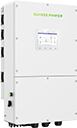
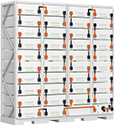
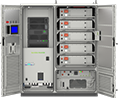
Power Conversion System (PCS) & BESS: The 1MW PCS manages the flow between the 2.41MWh battery bank and the AC bus. By controlling charge and discharge cycles, it optimizes both energy efficiency and battery life.
Diesel Generator Support: While the BESS serves as the primary energy source, diesel generators are integrated as backup to support load during extended outages or low state-of-charge conditions, activated automatically by the Energy Management System (EMS).
Isolation Transformer: A 1MVA isolation transformer ensures improved power quality, mitigating voltage fluctuations and protecting downstream equipment.
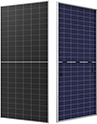
Future PV Integration: The system design allows optional integration of solar PV arrays with dedicated inverters, enabling hybrid renewable energy operation and further reducing reliance on the grid.
Applications and Benefits
Industrial loads such as variable-frequency drives (VFDs) for pumps and mills, PLC control systems, and process equipment (dryers, dewatering systems) benefit from stable, uninterrupted power. The architecture also supports multi-scenario operation, including:
Peak shaving and load management to reduce energy costs.
Islanded microgrid operation during grid outages.
Scalable renewable integration for future sustainability initiatives.