



Smart Home Solar + Storage + EV Charging System: The Future of Residential Energy
As global energy costs continue to rise and carbon reduction becomes a priority, homeowners are increasingly turning to integrated solar, energy storage, and EV charging systems. This all-in-one solution—often referred to as a home solar-storage-charging (PV + ESS + EV) system—represents the future of residential energy management.
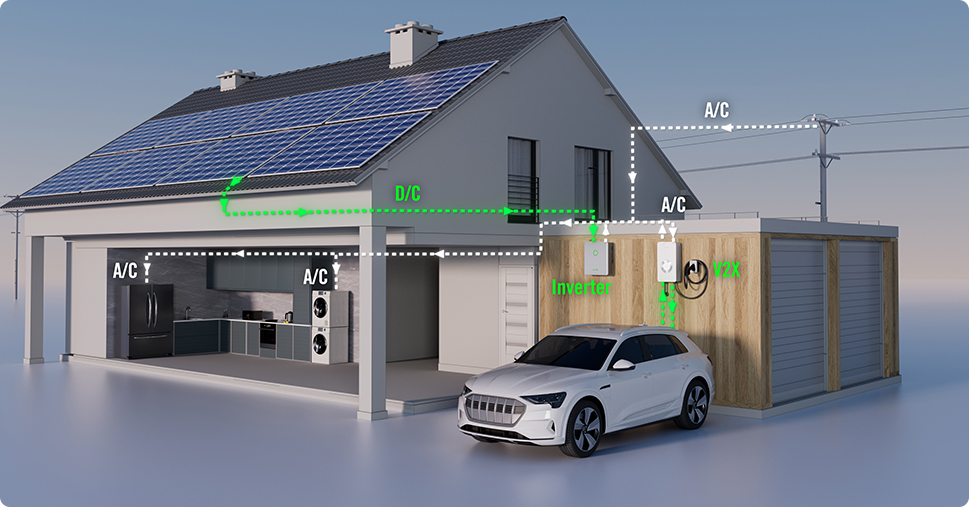
The image above illustrates a modern smart home powered by rooftop solar panels, connected to an inverter, battery system, and an EV charger with bidirectional capabilities (V2X). Let’s break down how this system works and why it’s becoming a key trend in 2026 and beyond.
How a Home Solar + Storage + Charging System Works
A typical residential energy system includes three core components:
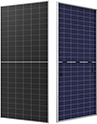
1. Solar Power Generation (PV System)
Solar panels installed on the rooftop convert sunlight into direct current (DC) electricity. This clean energy serves as the primary power source for the home.
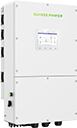
2. Inverter & Energy Conversion
The inverter plays a central role by converting DC electricity into alternating current (AC), which is used by household appliances such as refrigerators, air conditioners, and lighting systems.
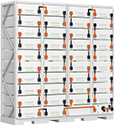
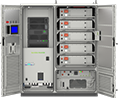
3. Battery Energy Storage System (ESS)
Excess solar energy generated during the day is stored in a battery system. This stored energy can be used:
--At night
--During peak electricity pricing periods
--During power outages
4. EV Charging & V2X Integration
The system also integrates an EV charger, allowing homeowners to charge electric vehicles directly using solar energy. With V2X (Vehicle-to-Everything) technology, EVs can even discharge electricity back to the home or grid, acting as a mobile energy storage unit.
Key Benefits of Residential Solar + Storage + EV Systems
1. Maximum Energy Independence
By generating and storing your own electricity, you reduce reliance on the utility grid and protect yourself from rising energy prices.
2. Lower Electricity Bills
Through self-consumption optimization and peak shaving, homeowners can significantly reduce their monthly electricity costs.
3. Backup Power Security
During grid outages, the battery system ensures uninterrupted power supply for essential loads.
4. EV Charging Cost Savings
Charging your EV with solar energy is far cheaper than using grid electricity or public charging stations.
5. Sustainability & Carbon Reduction
This integrated system supports a low-carbon lifestyle, reducing greenhouse gas emissions and promoting clean energy adoption.
Why This System Is a Growing Trend in 2026
The convergence of solar, storage, and EV infrastructure is accelerating due to several factors:
Rapid growth of electric vehicle adoption
Increasing electricity price volatility
Government incentives for renewable energy
Advancements in AI-based energy management systems (AI-EMS)
Homeowners are no longer just energy consumers—they are becoming “prosumers” who generate, store, and intelligently manage their own power.
Multi-Scenario Applications
A home solar-storage-charging system is highly flexible and supports multiple use cases:
Daytime: Solar powers household loads and charges the battery
Evening: Battery supplies power when solar is unavailable
Peak hours: Battery discharges to reduce grid consumption
EV charging: Solar directly charges the vehicle
Emergency: Battery provides backup power